
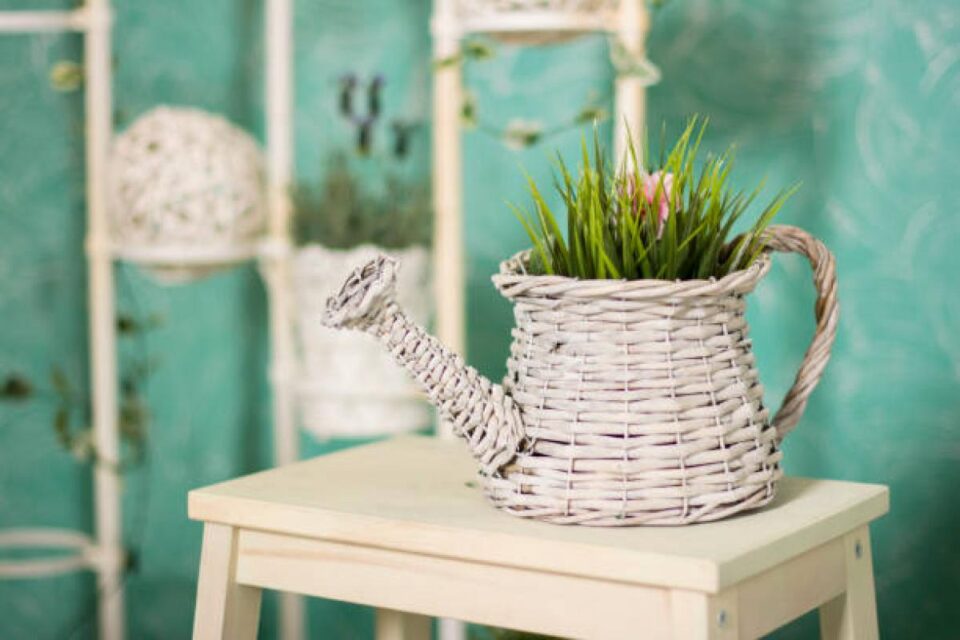
Emotional upcycling goes beyond reusing materials for sustainability. It focuses on transforming personal or historical items into meaningful décor that reflects memory, identity, and place. In New Orleans, where culture is deeply rooted in tradition, music, and family heritage, emotional upcycling aligns naturally with the city’s storytelling spirit.
Rather than purchasing mass-produced décor, homeowners in New Orleans often repurpose items connected to lived experiences, turning everyday objects into visual reminders of milestones, ancestry, and community ties. This approach strengthens emotional attachment to living spaces while preserving cultural character.
Why Emotional Upcycling Matters in New Orleans Homes
Homes in New Orleans are shaped by layered histories, from Creole cottages to shotgun houses and raised townhomes. Emotional upcycling allows residents to honor that history while adapting interiors for modern comfort.
Key reasons this approach resonates locally include:
- Cultural preservation: Repurposed items help retain neighborhood identity amid renovation and redevelopment.
- Storm recovery narratives: Reclaimed materials from post-hurricane repairs often become symbols of resilience.
- Family continuity: Heirlooms transformed into décor remain part of daily life rather than stored away.
Everyday Items Turned Into Meaningful Décor
Many New Orleans homeowners already possess materials suitable for emotional upcycling. The value lies not in perfection, but in personal connection.
Common examples include:
- Wood from old porches or shutters reused as shelving, headboards, or wall panels.
- Vintage doors and window frames repurposed as dining tables, mirrors, or decorative partitions.
- Mardi Gras bead collections displayed in shadow boxes as colorful art installations.
- Inherited furniture pieces refinished while preserving original carvings or hardware.
Blending Personal History With Interior Design Styles
Emotional upcycling works across many design aesthetics found in New Orleans, from traditional Southern interiors to modern urban lofts. The key is thoughtful integration rather than over-display.
Effective design strategies include:
- Focal placement: Highlight one or two upcycled pieces per room to avoid visual clutter.
- Material balance: Pair reclaimed wood or metals with soft textiles and neutral wall colors.
- Functional transformation: Convert sentimental items into everyday-use furnishings, such as benches, desks, or storage units.
- Subtle storytelling: Use small plaques or framed photos to quietly explain the object’s origin.
Supporting Local Craftsmanship and Neighborhood Identity
New Orleans is home to skilled artisans who specialize in restoration and creative reuse. Working with local craftspeople not only ensures quality results but also strengthens neighborhood economies.
Benefits of involving local professionals include:
- Knowledge of historic materials and construction methods common in older New Orleans homes.
- Customization based on personal stories, ensuring emotional value is respected during redesign.
- Environmentally responsible sourcing, often using salvaged wood and metals from local demolitions or renovations.
Emotional Well-Being and Connection to Place
Design research consistently shows that personalized environments contribute to emotional stability and comfort. In a city like New Orleans, where community identity is deeply valued, emotionally meaningful décor strengthens residents’ connection to their surroundings.
Psychological benefits include:
- Increased sense of belonging, especially after relocation or home reconstruction.
- Daily reminders of family and community bonds, reinforcing emotional security.
- Reduced dependence on trend-driven décor, encouraging long-term satisfaction with living spaces.
Practical Considerations for Long-Term Durability
While emotional value is central, practical performance must not be overlooked, especially in New Orleans’ humid climate.
Important considerations include:
- Proper sealing of reclaimed wood to prevent moisture damage.
- Structural reinforcement when converting older items into load-bearing furniture.
- Pest treatment for salvaged materials before indoor use.
- Maintenance planning to preserve finishes and prevent deterioration.
Takeaway: Design That Honors Memory and Community
Emotional upcycling in New Orleans home design reflects more than sustainable practice; it represents respect for heritage, resilience, and personal narrative. By transforming familiar objects into meaningful décor, residents create interiors that honor both individual stories and the broader cultural fabric of the city.
In doing so, New Orleans homes become living archives, spaces where design, memory, and identity coexist with purpose and pride.
