
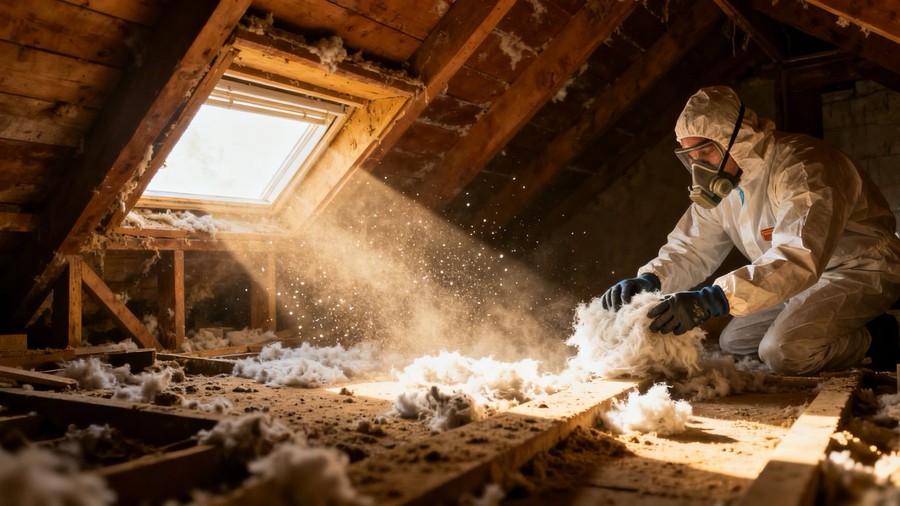
Decoding Asbestos Removal Insurance Coverage
When homeowners encounter asbestos in their homes, a primary concern is how to pay for its removal. The reality is that most standard homeowner’s insurance policies do not automatically include coverage for asbestos abatement. Asbestos is often viewed by insurers as a pre-existing condition or a type of pollutant, which typically falls outside the scope of typical accidental damage coverage. Therefore, understanding the specific terms and conditions of your policy is paramount before any removal work is considered. It’s not uncommon for policies to have specific exclusions for hazardous materials, including asbestos, unless it’s directly related to a covered event.
Typical Inclusions in Asbestos Removal Insurance Coverage
While not standard, there are specific circumstances where asbestos removal might be covered. These often hinge on the cause of the asbestos disturbance:
- Damage from Covered Perils: If asbestos-containing materials are disturbed or damaged as a direct result of a covered event, such as a fire, flood, or significant storm damage, the cost of removal may be included as part of the overall claim for repairs. The removal is then seen as a necessary step to restore the property to its pre-loss condition.
- Legal Liability: In rare cases, if asbestos exposure from your property leads to a legal claim against you by a third party (e.g., a contractor or visitor), your policy’s liability coverage might extend to the costs associated with asbestos removal as part of settling that claim.
- Specific Endorsements: Some insurers offer optional endorsements or riders that can be added to a standard policy to provide coverage for hazardous materials. These are not automatic and usually come with an additional premium.
Common Exclusions and Limitations in Standard Policies
It is more common for standard policies to exclude asbestos removal. Homeowners should be aware of these typical limitations:
- Pollutant Exclusion: Many policies contain a broad exclusion for pollutants. Asbestos is frequently classified as a pollutant, meaning its removal costs would not be covered under this exclusion.
- Wear and Tear/Gradual Deterioration: Insurance generally covers sudden and accidental events, not the natural aging or deterioration of building materials. Asbestos-containing materials degrading over time would fall under this exclusion.
- Renovation or Remodeling Discovery: If asbestos is discovered during routine renovations, upgrades, or inspections, and there was no preceding covered event, the cost of removal is almost always the homeowner’s responsibility.
- Pre-existing Condition: Insurers may consider asbestos present in a home before the policy was issued as a pre-existing condition, which is typically not covered.
Specific Scenarios Where Insurance May Cover Asbestos Removal
While standard homeowner’s insurance policies often exclude asbestos removal, there are specific situations where coverage might apply. These scenarios typically involve asbestos disturbance or the need for its removal due to events or requirements beyond routine maintenance or renovation.
During Repairs After an Insured Event
If your home sustains damage from a covered peril, such as a fire, a major storm, or a burst pipe, and asbestos materials are disturbed or must be removed as part of the necessary repairs, your insurance policy may extend to cover the asbestos abatement. In this context, the asbestos removal is considered a necessary component of restoring your property to its pre-loss condition following an insured incident. The key here is that the asbestos issue is directly linked to the damage caused by the covered event, rather than being a pre-existing condition discovered during unrelated work.
Legal Requirements Following an Incident
Sometimes, asbestos can be accidentally disturbed due to an unforeseen event, creating a potential health hazard. If this disturbance leads to a legal requirement for immediate removal to ensure the safety of occupants or the public, your insurance policy might provide coverage. This is particularly relevant if your policy includes liability coverage for accidental bodily injury or property damage. For instance, if a contractor accidentally damages a material containing asbestos, leading to exposure concerns, the subsequent legal obligation to remediate the hazard could fall under your liability insurance. The presence of a legal mandate for removal is often a critical factor in determining insurance eligibility in such cases.
Real-World Examples and Case Studies
- Fire Damage Scenario: Imagine a house fire that damages the attic insulation, which happens to contain asbestos. The insurance company covers the fire damage repairs, and because the asbestos was disturbed by the fire, they also cover the cost of safely removing the asbestos-laden debris as part of the overall restoration project.
- Accidental Disturbance and Liability: Consider a situation where a plumbing repair crew accidentally breaks a section of an old pipe wrapped in asbestos insulation. If this leads to a health risk and a subsequent claim or legal requirement for removal, the homeowner’s liability insurance might step in to cover the costs associated with the professional asbestos abatement.
- Water Damage and Remediation: A significant water leak causes extensive damage to drywall and ceiling materials containing asbestos. As part of the drying and reconstruction process following the covered water damage, the insurance policy may cover the necessary asbestos removal to safely complete the repairs.
Reviewing Your Home Insurance Policy for Asbestos Coverage
Steps to Review Your Home Insurance Policy
When it comes to asbestos, the specifics of your homeowners insurance policy are key. It’s not always straightforward, and many standard policies don’t automatically include coverage for its removal. You’ll need to do some digging to understand where you stand. Start by carefully reading your entire policy document. Look for sections detailing covered events, exclusions, and any mention of hazardous materials or pollutants, as asbestos often falls into these categories. Make a list of any terms or clauses you don’t understand. It’s also a good idea to check if your policy has any specific riders or endorsements related to asbestos or other hazardous substances. Sometimes, coverage might be an add-on you didn’t even know you had. Remember, insurance laws can change, so ensure your understanding is current.
Tips on Discussing Coverage with Insurance Representatives
Once you’ve reviewed your policy, it’s time to talk to your insurance provider. Schedule a dedicated call or meeting to discuss your concerns about asbestos coverage. Bring the list of questions you prepared during your policy review. Don’t hesitate to ask for clear explanations if anything is unclear; understanding the exact terms is important. For instance, ask specifically about scenarios where asbestos might be disturbed due to a covered event, like damage from a storm or fire. After your conversation, it’s wise to request written confirmation of what was discussed and agreed upon regarding asbestos removal. This written record can be incredibly helpful down the line if you ever need to make a claim. You can find more information on what might be covered by checking your policy details.
Requesting Written Confirmation of Coverage
Getting things in writing is a critical step. After you’ve spoken with your insurance representative and clarified your policy’s stance on asbestos removal, ask for a summary of that conversation to be sent to you in writing. This could be an email or a formal letter. This confirmation should clearly state whether asbestos removal is covered, under what specific circumstances, and any limitations or deductibles that apply. This documentation serves as proof of the information you received and can prevent misunderstandings or disputes later on. It’s a proactive measure that protects you and ensures you have a clear record of your home insurance coverage.
Options for Homes Not Covered for Asbestos Removal
Alternative Solutions for Abatement
When your standard homeowner’s insurance policy doesn’t include coverage for asbestos removal, it can feel like a significant financial hurdle. However, several alternative avenues exist for addressing asbestos-containing materials in your home. The first step is often to get a professional inspection to understand the extent of the issue. Based on this assessment, you can then explore specialized asbestos abatement companies. These professionals are trained and licensed to safely remove and dispose of asbestos. While this is an out-of-pocket expense, obtaining multiple quotes can help manage the cost. Some companies may offer payment plans, making the process more manageable.
Exploring Financial Assistance Programs
For homeowners facing the costs of asbestos removal without insurance backing, looking into financial assistance programs can be a wise move. Government agencies at federal, state, or local levels sometimes offer grants or low-interest loans for home health and safety improvements, which can include asbestos abatement. Community organizations or non-profits focused on housing or environmental health might also have programs available. It’s worth researching what resources are accessible in your specific area. These programs can significantly reduce the direct financial burden on the homeowner.
Considering Policy Upgrades for Hazardous Materials
If you own an older home or are planning renovations, it’s prudent to review your current insurance policy. Many insurers offer endorsements or riders that can be added to your existing policy to provide coverage for hazardous materials, including asbestos. While this will likely increase your premium, it can offer substantial financial protection should asbestos be discovered or disturbed. Discussing these options with your insurance agent is key. They can explain the specifics of what such an upgrade would cover, any limitations, and the associated costs. It’s about proactively managing risk and ensuring you’re protected against unforeseen expenses related to hazardous substances.
The Role of Asbestos Siding in Insurance Claims
Understanding Asbestos Siding and Its Risks
Many homes built before the 1980s might have asbestos siding. This material was popular because it was tough and didn’t burn easily. However, we now know that asbestos is bad for your health. When the fibers get into the air, they can cause serious breathing problems. If your siding is damaged, like from a storm, you might have to deal with both the repair and the asbestos. This can get expensive fast, and it’s important to know if your insurance will help.
Policy Exclusions Related to Asbestos Siding
Most standard homeowners insurance policies don’t cover issues related to asbestos. This means if your siding gets damaged and needs to be removed because it contains asbestos, you might have to pay for it all yourself. Some policies might offer coverage for the removal costs, but this usually only happens under very specific conditions, and it’s not something you can count on. It’s really important to check the fine print of your policy to see exactly what is and isn’t covered when it comes to hazardous materials like asbestos.
Liability Coverage for Asbestos Exposure
If someone gets sick from asbestos fibers coming from your property, you could be held responsible. Homeowners insurance typically includes liability protection, which is meant to cover you in these situations. However, just like with removal costs, many policies have specific exclusions for asbestos exposure. This means that if an incident occurs, your insurance might not cover the legal fees or any damages awarded to the injured party. It’s a good idea to talk to your insurance agent about this to make sure you understand your liability protection concerning asbestos.
Legal and Financial Requirements for Asbestos Management
Navigating State and Local Regulations
Homeowners must be aware of the specific laws in their state and locality concerning asbestos. These regulations dictate how asbestos-containing materials should be handled, removed, and disposed of. Failure to comply can lead to significant fines and legal trouble. Each state has its own set of rules, so it is important to research your local requirements thoroughly. This might involve understanding permits needed for removal or specific disposal procedures.
Disclosure Requirements for Home Sellers
When selling a property, homeowners often have a legal obligation to disclose the presence of asbestos to potential buyers. This requirement is in place to protect buyers from unforeseen health risks and costs. Not disclosing known asbestos can lead to lawsuits and financial penalties after the sale. The specifics of disclosure vary by state, but it is a critical step in the selling process.
Understanding Insurance Policy Review Benefits
Carefully reviewing your homeowners insurance policy is vital for understanding what, if any, coverage exists for asbestos-related issues. Many standard policies exclude coverage for hazardous materials or pollution. However, some policies might offer riders or endorsements for such situations, or coverage might apply if asbestos is disturbed due to a covered event like a fire or storm damage. It is advisable to:
- Contact your insurance agent or company directly to discuss asbestos coverage.
- Ask specific questions about exclusions for hazardous materials and pollution.
- Inquire about options for adding endorsements or riders for asbestos removal.
- Request written confirmation of any asbestos-related coverage to avoid misunderstandings.
Consequences of Insurance Coverage Gaps for Asbestos
When a homeowner’s insurance policy doesn’t adequately cover asbestos-related issues, the repercussions can be substantial and far-reaching. Understanding these potential downsides is key to protecting one’s financial stability and property.
Financial Burdens of Uncovered Abatement
One of the most immediate and significant consequences of lacking asbestos coverage is the direct financial strain. If asbestos is discovered or needs removal due to damage from a covered event, the costs for professional abatement can be extremely high. Without insurance to offset these expenses, homeowners might face bills running into thousands, or even tens of thousands, of dollars. This can create a serious financial hardship, potentially impacting savings or requiring loans. For instance, if asbestos is disturbed during repairs after an insured event, and the policy has a gap in this specific coverage, the homeowner is left responsible for the full cost of remediation, which can be a daunting prospect. This is particularly true in states like Florida, where improper abatement can lead to repeated costs to ensure clearance [0775].
Potential Legal Liabilities and Lawsuits
Beyond the direct costs of removal, a lack of proper insurance can expose homeowners to significant legal risks. If asbestos fibers are released and cause health problems for individuals, such as contractors or future occupants, the homeowner could be held liable. Standard homeowners insurance policies often include liability protection, but many specifically exclude claims related to asbestos exposure. This exclusion means that if a lawsuit arises from asbestos-related illness, the homeowner would have to defend themselves and potentially pay substantial legal fees and damages out-of-pocket. This is a serious concern, as asbestos is a known carcinogen, and the health implications can be severe and long-lasting.
Impact on Property Value and Marketability
The presence of asbestos, even if contained, can negatively affect a home’s value and how easily it sells. Potential buyers may be wary of purchasing a property with known asbestos, fearing the future costs and health risks associated with it. This can lead to a lower sale price compared to similar homes without asbestos. Furthermore, if asbestos is discovered during a sale or renovation, the unexpected need for costly removal can deter buyers or lead to lengthy negotiations. While many policies do not cover asbestos removal under normal circumstances [d048], understanding this impact is vital for long-term property investment. Homeowners should consider:
- Regularly inspecting siding and other potential asbestos-containing materials for damage.
- Keeping detailed records of any asbestos testing, abatement, or related repairs.
- Proactively discussing potential coverage options with their insurance provider.
