
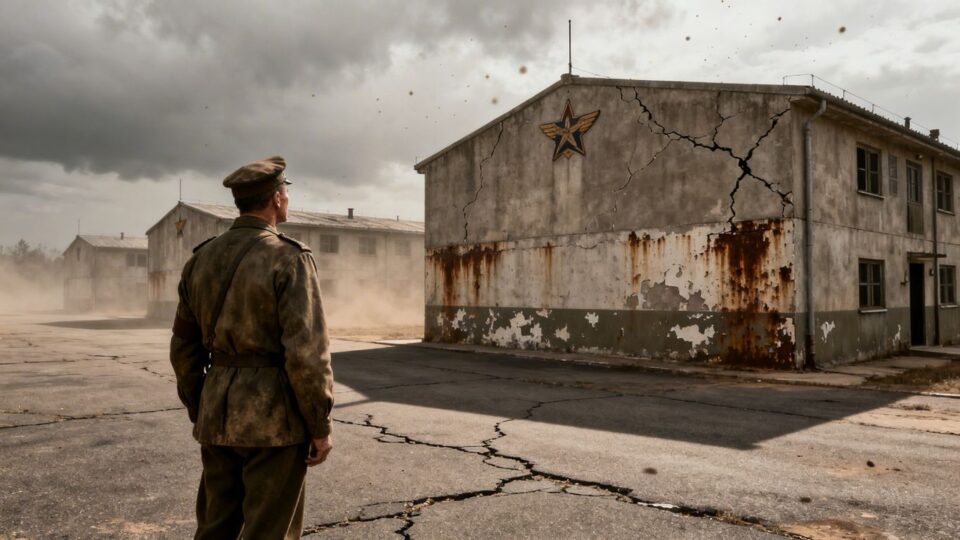
Historical Use of Asbestos in Army Construction
For a good part of the 20th century, asbestos was a go-to material for building military structures, including barracks. It was cheap, readily available, and had some pretty useful properties like resisting heat and fire. This made it seem like a smart choice for construction back then. Think about it: buildings needed to be tough and safe, and asbestos seemed to tick those boxes. Unfortunately, the people using it didn’t know about the serious health risks that came with it. The widespread use of asbestos in military construction means many veterans may have been exposed without even realizing it.
Common Asbestos-Containing Materials in Barracks
When you look at older barracks, asbestos was pretty much everywhere. It wasn’t just in one or two places; it was mixed into a lot of different building supplies. You could find it in:
- Insulation for pipes and walls
- Ceiling and floor tiles
- Drywall and joint compound
- Roofing and siding materials
- Cement products
- Paints and coatings
When these materials got old, damaged, or were disturbed during renovations or demolition, tiny asbestos fibers could become airborne. These fibers are what cause the health problems later on.
Duration of Asbestos Use in Military Facilities
The military’s reliance on asbestos stretched over several decades. While its use started earlier, it was particularly heavy from the 1930s through the early 1980s. This means that any barracks or facilities built or significantly renovated during this long period could potentially contain asbestos. Even after the risks became more known, some materials might have still been in use or left in place for a while. This extended timeframe means that veterans who served during these years, especially those living or working in older buildings, faced a prolonged risk of exposure.
Identifying High-Risk Occupations and Locations
When considering the risks associated with military barracks and asbestos, it’s important to pinpoint which jobs and places presented the greatest danger. Not everyone had the same level of exposure, and certain roles put individuals in direct contact with asbestos-containing materials much more frequently. Understanding these specific risks can help veterans assess their own potential exposure.
Specific Military Jobs with Elevated Exposure Risks
Certain military occupations involved tasks that routinely disturbed asbestos materials, leading to a higher likelihood of inhaling dangerous fibers. These jobs often required working directly with or near materials known to contain asbestos.
- Construction and Maintenance: Roles like carpenters, electricians, plumbers, pipefitters, and general construction workers were frequently exposed. They often installed, repaired, or removed insulation, pipes, wiring, and building materials that contained asbestos.
- Mechanics: Vehicle and aircraft mechanics, particularly those working on older equipment, faced significant exposure. Asbestos was common in brake pads, clutches, gaskets, and engine insulation. Repair work often involved scraping, sanding, or blowing out dust from these components.
- Demolition and Shipyard Work: Personnel involved in demolishing old structures or working in shipyards, especially during the construction or dismantling of vessels, had very high exposure risks. These environments were saturated with asbestos materials.
- Firefighting and Emergency Response: Firefighters and those involved in fire control sometimes used asbestos-containing gear for its heat resistance. Additionally, fires could damage asbestos materials, releasing fibers into the air.
Army Bases Known for Asbestos Presence
While asbestos was used across many military branches, certain Army bases and facilities, particularly older ones, are more likely to have had significant asbestos contamination. These materials were used extensively in construction and maintenance from the 1930s through the early 1980s.
- Older Barracks and Housing: Buildings constructed during the peak asbestos use era, including barracks, administrative buildings, and family housing units, often contained asbestos in flooring, ceiling tiles, insulation, and drywall.
- Industrial Areas: Maintenance shops, vehicle depots, boiler rooms, and areas where equipment was repaired or manufactured were prime locations for asbestos exposure due to its use in machinery and building components.
- Training and Demolition Sites: Areas used for demolition training or where older structures were present for practice could have released asbestos fibers into the surrounding environment.
Exposure Risks on Overseas Installations
The use of asbestos was not limited to domestic U.S. bases. American military installations in foreign countries also utilized asbestos-containing materials in their construction and maintenance. Reports have surfaced regarding asbestos presence on bases in various overseas locations.
- European Bases: Installations in countries like Germany, particularly older housing and facilities built decades ago, have been identified as having asbestos issues. Demolition and remediation projects on these sites continue to be reported.
- Asian Bases: Bases in countries such as South Korea, especially those established or expanded during periods of heavy asbestos use, may also pose exposure risks.
- Global Construction Standards: During the mid-20th century, asbestos was a globally common building material. Therefore, any U.S. military facility constructed or significantly renovated during this period, regardless of its location, could have incorporated asbestos products. Veterans who served overseas should consider the possibility of exposure at foreign military sites.
The Link Between Barracks Exposure and Mesothelioma
How Asbestos Fibers Cause Mesothelioma
When asbestos-containing materials in barracks were disturbed, tiny fibers could become airborne. These microscopic fibers, when inhaled or swallowed, can settle in the body. Over time, these fibers can cause irritation and inflammation in the lining of the lungs, abdomen, or heart. This chronic irritation is what can eventually lead to the development of mesothelioma, a rare and aggressive cancer. The insidious nature of asbestos exposure means that the damage begins silently, often long before any symptoms appear.
Latency Period of Asbestos-Related Diseases
One of the most challenging aspects of asbestos-related diseases, including mesothelioma, is the long latency period. This means there can be a significant delay, often between 20 to 50 years, from the initial exposure to the development of symptoms. For veterans who served in barracks decades ago, this extended timeframe can make it difficult to connect their current illness to past service. The body works to repair the damage caused by asbestos fibers, but this process can eventually go awry, leading to cancerous cell growth.
Secondary Exposure Risks for Families
It’s not just the service members who lived and worked in barracks who were at risk. Secondary asbestos exposure was a significant concern. Service members could unknowingly carry asbestos fibers on their clothing, skin, or hair back to their living quarters or homes. This meant that family members, including spouses and children, who lived on or near military bases, or who washed the uniforms of exposed veterans, could also inhale or ingest these dangerous fibers. This indirect exposure put loved ones at risk for developing asbestos-related illnesses years later.
Recognizing Symptoms and Seeking Diagnosis
Common Symptoms of Mesothelioma
Mesothelioma, a serious illness linked to asbestos exposure, can take a long time to show up after someone has been exposed to the fibers. This delay, known as the latency period, can be decades. Because of this, symptoms might not appear until much later in life, sometimes long after military service has ended. It’s important to know what to look for.
Some common signs veterans might experience include:
- Persistent coughing, sometimes with blood.
- Shortness of breath or difficulty breathing.
- Pain in the chest or abdomen.
- Unexplained weight loss.
- Fatigue or feeling very tired.
These symptoms can be vague and might be mistaken for other, less serious conditions. This is why it’s so important for veterans who served in environments where asbestos was common to be aware of these potential signs.
Importance of Early Diagnosis for Veterans
Catching mesothelioma early is a big deal, especially for veterans. The sooner a diagnosis is made, the sooner treatment can begin. For asbestos-related diseases, early detection can significantly impact the effectiveness of treatment options and potentially improve a veteran’s quality of life. Prompt medical attention is key when any of these symptoms arise. Waiting too long can allow the disease to progress, making it harder to manage.
Diagnostic Procedures for Asbestos-Related Illnesses
When a veteran suspects they might have an asbestos-related illness like mesothelioma, a series of tests will likely be performed to confirm a diagnosis. Doctors need to be thorough to pinpoint the exact condition.
These procedures often include:
- Medical History and Physical Exam: The doctor will ask about service history, potential asbestos exposure, and current symptoms. A physical check-up will also be done.
- Imaging Tests: These help doctors see inside the body. Common tests include:
- Chest X-rays
- CT scans (Computed Tomography)
- PET scans (Positron Emission Tomography)
- Biopsy: This is the most definitive way to diagnose cancer. A small sample of tissue is taken from the affected area (like the lung lining or abdominal lining) and examined under a microscope by a pathologist. This can be done through various methods, including needle biopsy or surgery.
- Blood Tests: While not diagnostic on their own for mesothelioma, certain blood markers might be checked.
It’s vital for veterans to be open with their doctors about their military service and any suspected asbestos exposure. This information is critical for guiding the diagnostic process and reaching an accurate diagnosis.
Navigating VA Benefits for Mesothelioma
Veterans diagnosed with mesothelioma, a serious illness linked to asbestos exposure, may be eligible for significant support from the Department of Veterans Affairs (VA). The VA recognizes mesothelioma as a service-connected disability, which can open the door to various forms of assistance. It is important for veterans to understand these benefits and how to access them.
Eligibility for VA Healthcare and Compensation
To qualify for VA benefits related to mesothelioma, a veteran must have a confirmed diagnosis and provide evidence linking their asbestos exposure to their military service. The VA often presumes that asbestos exposure occurred during service for certain military occupations, simplifying the claims process. Even if a direct link is not immediately apparent, veterans may still receive treatment through the VA health care system. A mesothelioma diagnosis typically results in a 100 percent disability rating from the VA. This rating is the highest possible and allows for maximum monthly compensation and priority access to healthcare services.
Types of VA Benefits Available to Veterans
The VA offers several types of benefits that can help veterans and their families cope with mesothelioma:
- Disability Compensation: This provides monthly, tax-free payments. For 2026, a single veteran with mesothelioma can receive a base payment of $3,938.58 per month, with additional amounts for dependents like a spouse or children. This amount can increase significantly with family members [a6a5].
- VA Healthcare: Veterans with a service-connected condition like mesothelioma can access free or low-cost medical care, including specialized treatment for their illness.
- VA Pension: This is a needs-based benefit for low-income veterans that can supplement their income. It is important to note that veterans generally cannot receive both VA disability compensation and a VA pension simultaneously; they would typically choose the higher payment.
- Aid and Attendance Benefits: For veterans who require assistance with daily living activities due to their condition, this benefit can provide additional monthly payments.
- Special Monthly Compensation: This may be available for veterans who need ongoing in-home care or assistance.
- Caregiver Benefits: The VA offers programs to support family members who are providing care to veterans.
Filing a Claim for Asbestos-Related Conditions
Filing a claim with the VA requires documentation. Veterans should gather service records, medical records detailing their diagnosis, and any evidence of asbestos exposure during their service. This might include unit histories, personnel files, or statements from fellow service members. The VA has specific procedures for filing claims, and veterans can seek assistance from accredited veteran service officers (VSOs) or other advocates to help ensure their claim is complete and accurate. The process can be complex, but understanding the available benefits is the first step toward securing the support deserved.
Pursuing Additional Compensation Options
Beyond the benefits provided by the Department of Veterans Affairs, veterans diagnosed with mesothelioma may have other avenues for financial support. These options can help cover treatment costs and provide for families, especially when VA benefits alone may not fully address the financial impact of the illness. It is important for veterans to explore all potential sources of compensation.
Legal Recourse Against Asbestos Manufacturers
In many cases, mesothelioma develops due to negligence on the part of companies that manufactured or used asbestos-containing products. These companies knew about the dangers of asbestos but did not adequately warn workers or the public. Veterans who were exposed to asbestos during their military service, particularly in barracks or through their duties, may be able to file a lawsuit against these negligent manufacturers. Such legal action aims to hold these companies accountable for the harm caused and to secure compensation for the veteran’s suffering, medical expenses, and lost income. A mesothelioma lawyer can help veterans understand their legal rights and guide them through the complex process of filing a claim.
Understanding Mesothelioma Settlements
When a lawsuit is filed against an asbestos manufacturer, it may result in a settlement. A settlement is a negotiated agreement where the company agrees to pay a sum of money to the veteran to resolve the legal claim, avoiding a lengthy trial. These settlements can vary significantly in amount, depending on factors such as the severity of the illness, the veteran’s age, their expected lifespan, and the strength of the evidence linking their condition to the manufacturer’s products. Settlements can provide a substantial financial award to help veterans and their families manage the costs associated with mesothelioma.
Coordinating VA Benefits with Legal Compensation
It is possible for veterans to receive both VA benefits and compensation from legal claims. These two forms of compensation are generally separate and do not typically offset each other. However, it is important to coordinate these efforts carefully. A veteran’s legal team can work with the VA to ensure that all benefits are maximized and that any legal compensation is received without jeopardizing existing VA claims. This dual approach can provide a more robust financial safety net for veterans and their families facing the challenges of mesothelioma. The process often involves:
- Consulting with a specialized mesothelioma attorney.
- Gathering all relevant service records and medical documentation.
- Filing claims with the VA and pursuing legal action simultaneously.
- Working with legal counsel to negotiate settlements or proceed to trial.
- Ensuring all compensation is managed effectively to support ongoing care and family needs.
