
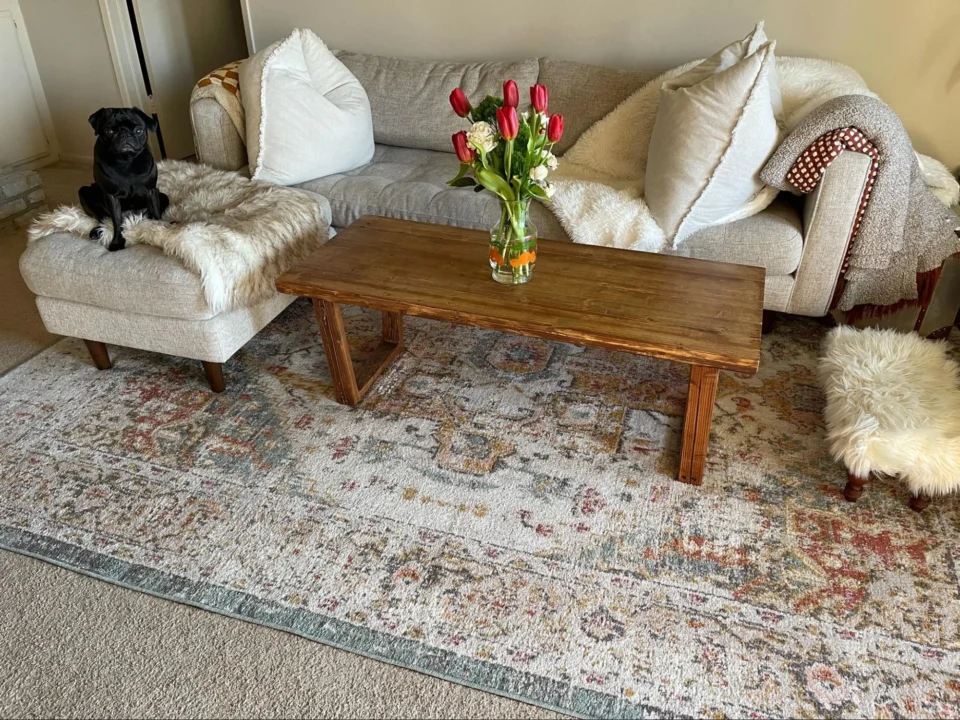
Yes, placing a rug on top of carpet works—and it’s a popular interior design technique to add color, define specific zones, or protect high-traffic areas from wear. The key is choosing a rug with a firm backing, such as a flat weave or natural fiber, and using a “carpet-to-rug” pad to prevent the top layer from rippling or “creeping” across the floor.
The biggest challenge with rug-on-carpet is bunching and sliding. A thick, plush rug on soft carpet will bunch and shift constantly. A flat weave or low-pile rug with a non-slip carpet pad works much better.
What Type of Rug Works Best on Carpet?
| Rug Type | Works on Carpet? | Why |
| Flat weave (kilim, dhurrie) | Excellent | Thin, doesn’t bunch, lays flat naturally |
| Natural fiber (jute, sisal, seagrass) | Good | Dense and heavy, resists movement |
| Low-pile woven rug | Good | Stable on most carpet types |
| High-pile / shag rug | Poor | Bunches, unstable, creates trip hazard |
| Thick plush rug | Poor | Too much combined loft – moves constantly |
| Outdoor/flat polypropylene rug | Good | Thin, sturdy, easy to clean |
The Essential: Carpet-on-Carpet Rug Pad
A regular rug pad won’t work under a rug placed on carpet – standard pads are designed to grip hard floors. You need a carpet-to-carpet rug pad (also called a ‘rug gripper for carpet’). These have a grippy material on both sides and are specifically made to hold rugs in place on soft surfaces. Look for options from Mohawk Home, Grip-It, or RugPadUSA. They cost $15-$50 depending on size and make a dramatic difference.
Sizing the Rug
- Living room: the rug should be large enough for at least the front legs of all seating to sit on it – this unifies the seating area visually
- Bedroom: a rug under the bed should extend 18-24 inches on each side – you want to step onto the rug, not carpet, when getting out of bed
- Dining room: the rug should be large enough that all chairs remain on the rug when pulled out for seating – typically at least 8×10 feet
Why People Put a Rug on Top of Carpet
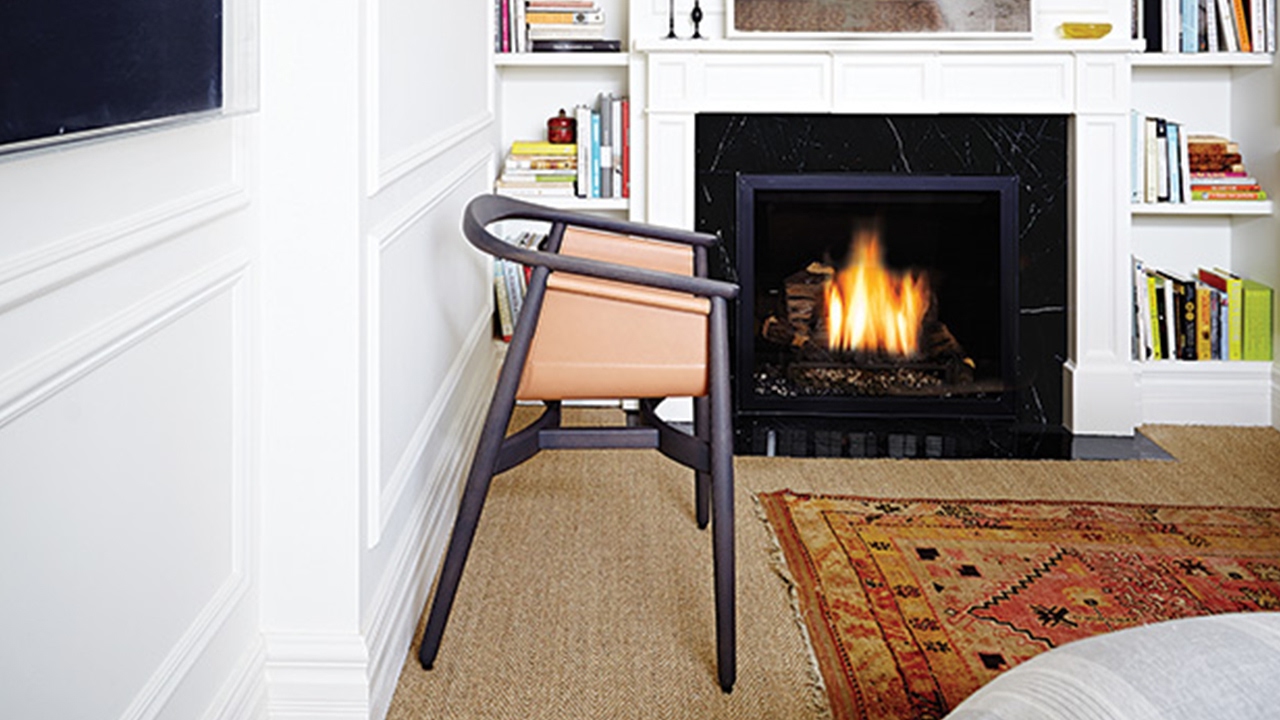
- To add color, pattern, or texture to a plain carpet
- To define a seating or sleeping zone in an open-plan or studio space
- To protect the carpet in high-traffic areas (entry, under dining table)
- To anchor furniture groupings visually
- To add a layer of warmth and comfort in colder months
Styling Tips
- Choose a rug in a complementary color to the carpet, not a competing one – neutrals and natural fibers work on almost any carpet color
- Go bolder with the rug than you might on a hard floor – it has to hold its own visually against the carpet
- Fringe and tassel edges look better on hard floors than on carpet – they tend to curl on soft surfaces
- Layer a smaller patterned rug over a neutral carpet rather than a patterned carpet – too many patterns fight
Final Thoughts
Rug on carpet works beautifully when you choose the right type of rug (flat weave or natural fiber) and use a carpet-to-carpet non-slip pad. The combination creates warmth, visual interest, and zone definition in a way a plain carpet can’t. Avoid high-pile or shag rugs on soft carpet – the combination is unstable and creates a safety hazard.
